SoFi Wants to Be the Stablecoin Liquidity Hub for Banks | Ben Reynolds
In this episode of Talking Tokens, Jacquelyn Melinek speaks with Ben Reynolds, SVP and head of Big Business Banking at SoFi, about why the company launched its SoFi USD stablecoin on Solana and what it means for the firm’s broader vision to become a stablecoin liquidity hub. Ben, who joined Silvergate in 2016 and helped build the Silvergate Exchange Network before the bank shut down in 2023, explains how commercial banks are finally building in the space now that the regulatory environment has changed under the current administration. He walks through why SoFiUSD reserves are held in a Fed master account with zero credit, liquidity, or duration risk and why stablecoin infrastructure is still far less mature than people think. He also explains how the next catalyst for onchain payments could come top down from banks with built-in network effects rather than bottoms up from crypto companies. The conversation covers why non-dollar stablecoins at scale would transform cross-border payments, how SoFi's 15 million users and card processing business create unique synergies, and why building stablecoin-agnostic infrastructure is the smartest strategy right now. This episode is a part of the Solana Sessions campaign that Token Relations and the Talking Tokens podcast are doing, diving into founders' journeys and startups building on Solana. Check out the accompanying newsletter on www.token-relations.com
TIMESTAMPS (00:00) Intro (01:04) Ben's journey from: Silvergate in 2016 to joining SoFi six months ago (02:33) How commercial banks think about digital assets today vs 10 years ago (03:29) Launching SoFiUSD on Solana: cost, settlement speed, and throughput (04:30) Catalysts for onchain payments: non-dollar stablecoins, DeFi friction, and regulatory clarity (07:07) Stablecoin liquidity is overestimated: the emerging market conversion problem (08:07) Advice for big banks: build stablecoin-agnostic and understand the risk differences (09:26) Why SoFi USD reserves sit in a Fed master account (10:06) How Operation Choke Point 2.0 chilled bank building and why the environment is different now (10:44) Biggest realization at SoFi: how early stablecoins still are and how fast SoFi ships (12:18) The big vision: SoFi as the stablecoin liquidity hub for big business banking
ESSENTIALS
You can subscribe to the podcast on Spotify, Apple or YouTube. If you enjoy the show, please leave a review — it really helps. Spotify: https://open.spotify.com/show/0LOgWxIQ0NnNUD5eXsSuoZ Apple Podcasts: https://podcasts.apple.com/us/podcast/talking-tokens/id1743669141 Follow us on X Jacquelyn: https://twitter.com/jacqmelinek Talking Tokens: https://twitter.com/_TalkingTokens Follow us on Instagram https://www.instagram.com/_talkingtokens/ Note: This podcast is for informational purposes only. Views shared are opinions, not financial advice. The host or guests may have financial interests in discussed content.
SoFi Wants to Be the Stablecoin Liquidity Hub for Banks | Ben Reynolds
Subscribe & Listen
More from Talking Tokens

Why R3 Chose Solana for the Next Chapter of Corda
In today's Solana Sessions episode of Talking Tokens, Jacquelyn sits down with Todd McDonald, co-founder of R3, to discuss how institutional blockchain has evolved over the past decade and why R3 is moving from private blockchain networks toward open markets, including building the next version of Corda as a protocol on Solana. Todd explains why he believes all markets will eventually move onchain, what banks actually want from blockchain today, why R3 concluded that open networks win, and how tokenization can connect traditional assets with capital already living onchain. They also discuss why R3 chose Solana, what institutions care about when selecting blockchain infrastructure, and why fixed income and alternative assets could be among the next major markets for tokenization. Timestamps 00:00 Intro 00:32 How Institutional Blockchain Has Changed 02:55 Why All Markets Will Move Onchain 04:08 Why Todd McDonald Started R3 06:25 Buying Bitcoin in the Early Days 07:37 How R3 Got Major Banks Onboard 09:56 What Crypto Gets Wrong About Banks 12:10 How Banks Are Using Blockchain Today 13:38 Why R3 Changed Its Strategy 14:00 Moving From Private to Open Networks 14:24 Why R3 Chose Solana 16:29 Bringing Corda to Solana 16:52 What Banks Care About in a Blockchain 18:18 What R3 Got Wrong 19:00 Lessons From R3's Early Network Strategy 20:05 Why Open Networks Win 22:05 What's Next for Banks Onchain 23:07 The Opportunity Beyond Tokenized Dollars 24:05 The Trillions in Tokenization 26:17 What Tokenization Actually Means 27:26 Bring the Assets to the Money 27:57 The State of Tokenization 28:57 What Has Changed in Five Years 30:12 What Banks Want From Tokenization 31:04 What's Next for Tokenization 31:59 Todd's Advice for Builders Today’s episode is sponsored by Anchorage Digital, America's first federally chartered digital asset bank and provider of regulated stablecoin issuance. To find out more, visit anchorage.com This episode is a part of the Solana Sessions campaign between Token Relations and the Talking Tokens podcast, diving into founders' journeys and startups building on Solana. Check out the accompanying newsletter on www.stratamedia.co/token-relations/solana This episode is sponsored by Binance, the world’s number-one crypto exchange, trusted by over 300 million people. Discover more at: https://binance.onelink.me/y874/talkingtokens . NOTE: Binance is not available in certain countries, including the U.S.; check its Terms for more information: https://www.binance.com/en/terms 🔔 New episodes every week https://open.spotify.com/show/0LOgWxIQ0NnNUD5eXsSuoZ https://podcasts.apple.com/us/podcast/talking-tokens/id1743669141 🌐 Follow Jacquelyn Melinek https://x.com/jacqmelinek?lang=en https://www.linkedin.com/in/jacquelynmelinek ➡️ Follow Todd McDonald https://www.linkedin.com/in/toddvmcdonald/?isSelfProfile=false #R3 #Solana #Tokenization #Corda #OnchainFinance

How Mantle Plans to Compete in the Tokenized Asset Market
In today's episode of Talking Tokens, Jacquelyn sits down with Josh Cheong, Head of Product and Growth at Mantle, to discuss the next phase of real-world asset (RWA) tokenization and why distribution is becoming as important as the technology behind it. Drawing on his experience at Citi and Parity Technologies, Joshua explains why tokenized equities are attracting attention, what banks and asset managers want from onchain finance, and how Mantle is approaching institutional adoption through partnerships and distribution. They also discuss the role of stablecoins in banking, how tokenization can expand access to financial markets, why tokenized real estate has struggled to gain comparable traction, and what it would take for RWAs to achieve mainstream institutional adoption. Timestamps 00:00 Introduction Joshua Cheong 00:36 The Current State of RWA Tokenization 01:28 Is the Infrastructure Phase Almost Over? 02:24 Why Distribution Is the Next Challenge 03:08 Bringing Institutional Assets Onchain 04:49 What Asset Managers Actually Need 05:08 Two Ways Tokenization Creates Value 06:05 Faster Settlement and Capital Efficiency 07:03 Lessons From Citi and Traditional Banking 08:51 Are Banks Finally Adopting Blockchain? 09:15 Why Stablecoins Matter to Banks 09:52 What's Slowing Institutional Adoption? 11:21 What Assets Are Worth Tokenizing? 11:50 Why Tokenized Equities Are Gaining Momentum 13:14 Who Will Win the Tokenization Market? 13:38 Why Distribution Matters More Than Ever 14:34 Mantle, Bybit and the Distribution Advantage 15:30 What Institutions Actually Want 16:32 Why Tokenized Real Estate Is Lagging 17:22 The Next Major Milestone for RWAs 🔔 New episodes every week https://open.spotify.com/show/0LOgWxIQ0NnNUD5eXsSuoZ https://podcasts.apple.com/us/podcast/talking-tokens/id1743669141 🌐 Follow Jacquelyn Melinek https://x.com/jacqmelinek?lang=en https://www.linkedin.com/in/jacquelynmelinek ➡️ Follow Joshua Cheong https://sg.linkedin.com/in/joshuacheong https://x.com/joshuacheong #Mantle #RWA #Tokenization #TokenizedStocks #OnchainFinance
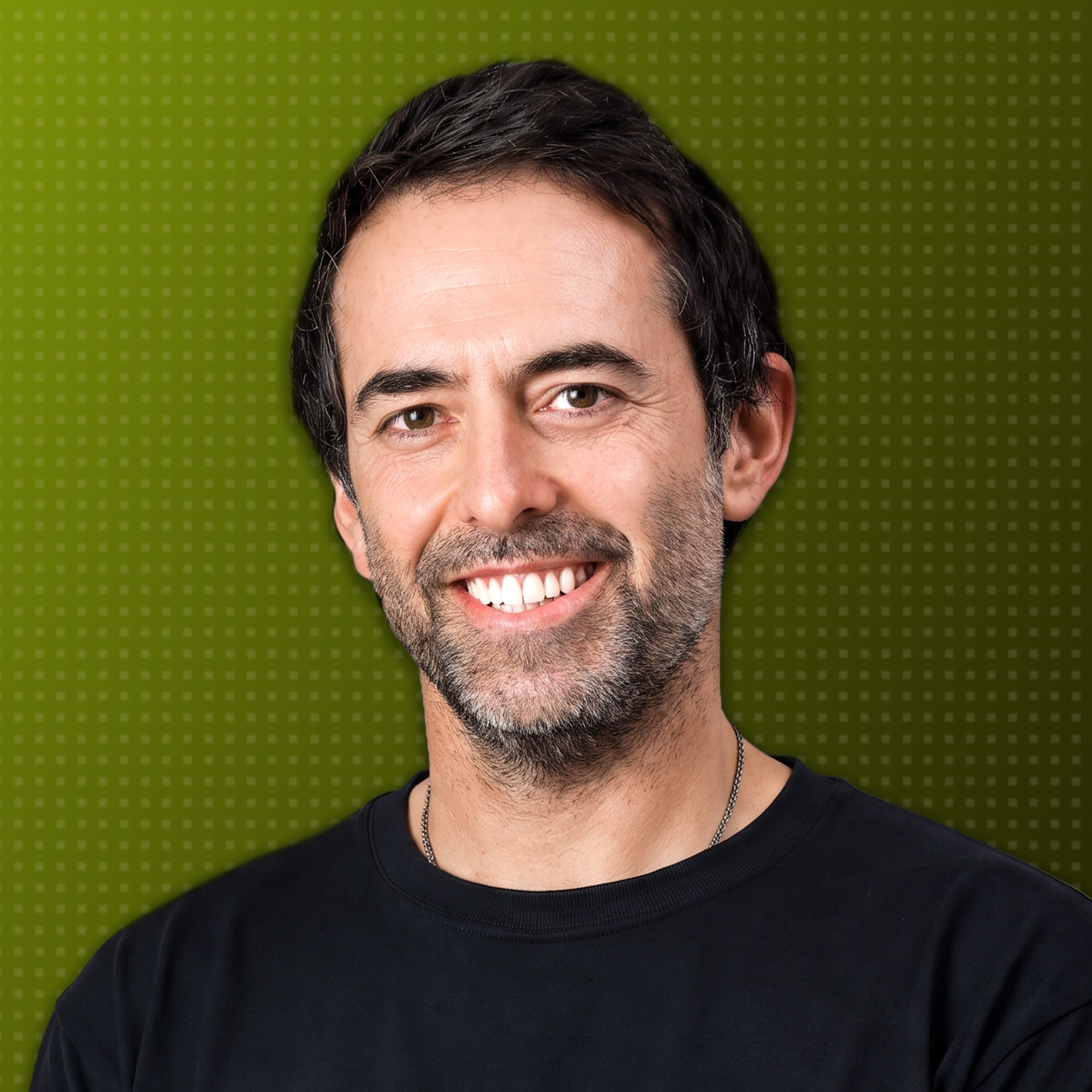
Why Canton Is Focused on Bringing 1% of Capital Markets Onchain
In today's episode of Talking Tokens, Jacquelyn sits down with Yuval Rooz, co-founder and CEO of Digital Asset, the team building the Canton blockchain, to discuss what it will actually take to bring global capital markets onchain and why institutional blockchain infrastructure requires a fundamentally different approach. Yuval explains why privacy is non-negotiable for institutional finance, why maximum decentralization isn't always the answer, and why many products called “tokenized equities” aren't actually tokenized equities. He also breaks down why moving just 1% of capital markets onchain would already represent enormous scale, which financial assets could get there first, and how blockchain could eventually make entirely new financial products economically viable. Timestamps 00:00 Intro 01:14 Why Now Is the Moment for Onchain Capital Markets 02:34 Building Digital Asset 04:05 How Canton Differentiates Itself 04:56 Why Privacy Is Non-Negotiable 06:32 Why Institutions Need Privacy 09:21 Does Institutional Finance Need Decentralization? 10:31 Stablecoins and the Limits of Decentralization 12:04 How Canton Approaches Governance 13:44 What “Permissionless” Really Means 14:53 How Digital Asset Talks to Institutions 15:36 Selling Solutions, Not Blockchain 17:45 What Institutions Actually Want 18:43 Finding Blockchain Use Cases With Real ROI 21:14 Which Onchain Use Cases Are Working? 23:32 The State of Tokenization Today 24:12 Are Tokenized Equities Really Tokenized Equities? 25:36 How Early Is Onchain Finance? 26:54 What Will Make Tokenization Take Off? 27:22 Why 1% of Capital Markets Is Enough 28:31 Which Assets Will Move Onchain First? 29:10 What Finance Could Look Like in 5–10 Years 29:21 Driving the Cost of Financial Infrastructure Toward Zero 🔔 New episodes every week https://open.spotify.com/show/0LOgWxIQ0NnNUD5eXsSuoZ https://podcasts.apple.com/us/podcast/talking-tokens/id1743669141 🌐 Follow Jacquelyn Melinek https://x.com/jacqmelinek?lang=en https://www.linkedin.com/in/jacquelynmelinek ➡️ Follow Yuval Rooz https://x.com/YuvalRooz https://www.linkedin.com/in/yuvalrooz This episode is sponsored by Securitize, the proven leader in tokenized funds, equities, and private markets. Discover more at securitize.io #CantonNetwork #Tokenization #OnchainFinance #CapitalMarkets #RWA