A 117-Year-Old Asset Manager Goes “Fully Native,” Seeing Tokenization as OS upgrade | Theo Golden
On today's Talking Tokens, Jacquelyn sits down with Theo Golden, Head of Digital Assets at Baillie Gifford, to talk about BAGEY — the firm's newly launched tokenized bond fund on Solana and Ethereum that yields around 7% and settles in USDC.
Theo breaks down why he sees tokenization as an operating system upgrade rather than a reinvention of finance, how pension funds and private banks are already showing real interest in its new tokenized fund, and why he thinks AI democratizing insight and tokenization democratizing access are two themes that will collide into something nobody has fully figured out yet.
DISCLAIMER: Although our guest this week works at Baillie Gifford, nothing in this podcast should be considered an offer of its investment advisory services or should otherwise be confused for investment, tax, legal or other financial advice.
This episode is a part of the Solana Sessions campaign that Token Relations and the Talking Tokens podcast are doing, diving into founders' journeys and startups building on Solana. Check out the accompanying newsletter on www.token-relations.com
TIMESTAMPS: 00:00 His Journey to Digital Assets 03:33 From Journalism to Investment Theses 06:05 Learning from Successes and Failures 10:15 The Role of Independence in Baillie Gifford’s Innovation 15:19 Gradual Growth in Tokenization 20:57 Tokenization as an Operating System Upgrade 23:57 Convincing Clients of Tokenization's Value 24:50 Operational Leverage and Risk Management 27:12 The Origin of Baillie Gifford’s BAGEY Tokenized Fund 32:18 Initial Response and Market Interest 34:43 Choosing Solana and Ethereum for the Fund Launch 38:33 Solana and The Future of Internet Capital Markets 43:09 Trust and Adoption Among Institutional Investors 46:07 The Role of Traditional Institutions in Tokenization 47:59 AI and Tokenization: A Future Intersection
You can subscribe to the podcast on Spotify, Apple or YouTube. If you enjoy the show, please leave a review — it really helps. Spotify: https://open.spotify.com/show/0LOgWxIQ0NnNUD5eXsSuoZ Apple Podcasts: https://podcasts.apple.com/us/podcast/talking-tokens/id1743669141 YouTube: https://www.youtube.com/@TalkingTokens Follow us on X Jacquelyn: / jacqmelinek Talking Tokens: / _talkingtokens Follow us on Instagram / _talkingtokens Note: This podcast is for informational purposes only. Views shared are opinions, not financial advice. The host or guests may have financial interests in discussed content.
A 117-Year-Old Asset Manager Goes “Fully Native,” Seeing Tokenization as OS upgrade | Theo Golden
Subscribe & Listen
Why Plasma Bet Everything on USDT When Nobody Believed in Stablecoin Chains | Zaheer Evtakar, Plasma
Why Franklin Templeton Has Been Eyeing Tokenization for a Decade and What Comes After Money Funds | Roger Bayston
More from Talking Tokens

Why Grayscale Thinks the Crypto ETF Boom Isn't Over
In today's episode of Talking Tokens, Jacquelyn sits down with Krista Lynch, Managing Director, Head of Trading and Capital Markets at Grayscale, to discuss the evolution of crypto ETFs, the growth of digital asset investing, and Grayscale's plans for tokenization. Drawing on her experience at Goldman Sachs, BlackRock, and Grayscale, Krista shares the behind-the-scenes story of the US spot Bitcoin ETF approval process and explains how the crypto ETF market is expanding beyond Bitcoin and Ethereum. They explore why crypto native investors are moving assets into regulated ETF structures, how Grayscale evaluates new investment products such as Zcash, and how ETF shares can potentially be used as collateral. Krista also discusses the future of tokenized investment funds, the growing demand for 24/7 trading, and why the convergence of traditional finance and crypto could reshape global capital markets. Timestamps 00:42 — From Traditional Finance to Crypto ETFs 02:42 — Grayscale's Battle for Spot Bitcoin ETFs 03:48 — Inside Grayscale's ETF War Room 06:27 — How Crypto ETFs Differ From Traditional ETFs 07:13 — Why Crypto Investors Are Moving Assets Into ETFs 08:25 — Using Bitcoin ETF Shares as Collateral 10:23 — What Makes a Successful Crypto ETF? 11:23 — Bitcoin ETF Demand and Market Growth 12:28 — Zcash and Grayscale's New Crypto Products 13:13 — How Grayscale Selects Assets for ETFs 15:12 — Why Crypto ETF Momentum Could Continue 16:34 — Grayscale's Tokenization Plans 17:57 — Tokenization and 24/7 Trading 20:46 — Staking and Yield in Crypto ETFs 22:26 — How Crypto and Traditional Finance Are Converging 25:59 — Crypto Trading Trends and Market Structure 28:01 — Tokenization and Global Market Access 30:02 — The Future of Tokenized Finance 30:39 — Krista Advice for Investors 🔔 New episodes every week https://open.spotify.com/show/0LOgWxIQ0NnNUD5eXsSuoZ https://podcasts.apple.com/us/podcast/talking-tokens/id1743669141 🌐 Follow Jacquelyn Melinek https://x.com/jacqmelinek?lang=en https://www.linkedin.com/in/jacquelynmelinek ➡️ Follow Krista Lynch https://www.linkedin.com/in/krista-lynch-836a453a This episode is sponsored by Securitize, the proven leader in tokenized funds, equities, and private markets. Discover more at securitize.io #TalkingTokens #Grayscale #CryptoETFs #BitcoinETF #Tokenization

Why Institutions Can't Move Onchain Without Privacy
Public blockchains make transactions transparent, but that transparency can become a major obstacle for institutional adoption. Financial institutions need to protect sensitive transactions, trading positions, and investment strategies without giving up the benefits of blockchain. As more capital moves onchain, privacy is becoming a critical part of the infrastructure needed to support institutional finance. In this edition of Strata Media Research, Jacquelyn Melinek sits down with Alexander Beaudry from the institutional research team to explore why onchain privacy matters and which technologies could help institutions operate privately. Alex breaks down shielded pools like Zcash, Monero, and Railgun, trusted execution environments (TEEs), permissioned networks like Canton, and emerging institutional privacy solutions from Zama. They also discuss how institutions can use DeFi without exposing their strategies to competitors, why fragmented liquidity and interoperability remain major challenges, and Alex's prediction that shielded liquidity could grow at least 5X over the next few years as institutional adoption accelerates. Timestamps 00:00 Why Onchain Privacy Matters for Institutions 01:34 Is Crypto Privacy Just for Criminals? 02:15 Why Institutions Need Onchain Privacy 03:57 How Blockchain Privacy Technologies Work 05:00 Shielded Pools, TEEs, and Permissioned Ledgers 06:25 Which Privacy Architecture Works Best for Institutions? 06:39 Why Permissioned Blockchains Appeal to Institutions 07:20 Private DeFi and Institutional Privacy Solutions 08:42 The Biggest Challenges Facing Onchain Privacy 09:22 The Problem With Privacy Interoperability 09:54 What's Next for Onchain Privacy? 10:11 How Mature Is Blockchain Privacy Technology? 10:40 Why Shielded Liquidity Could Grow 5X 11:39 Making Financial Privacy More Accessible ▫️Check out the report: site: https://stratamedia.co/token-relations/article?slug=why-crypto-should-care-about-privacy X: https://x.com/TokenRelations/status/2117681044564398422?a=DJPqRL3xwQJVqSFI4sQ&s=20 linkedin: https://www.linkedin.com/pulse/why-crypto-should-care-privacy-stratamedia-m5tte ➡️ Follow Talking Tokens https://x.com/_TalkingTokens?lang=en https://open.spotify.com/show/0LOgWxIQ0NnNUD5eXsSuoZ https://podcasts.apple.com/us/podcast/talking-tokens-crypto-onchain-finance-investing/id1743669141 https://talkingtokens.beehiiv.com/ ➡️ Follow Jacquelyn https://x.com/jacqmelinek #Robinhood #StockTokens #Tokenization #MarketStructure #TalkingTokens
CZ's First Interview After The $6.3B Binance Hack & Where We Go From Here
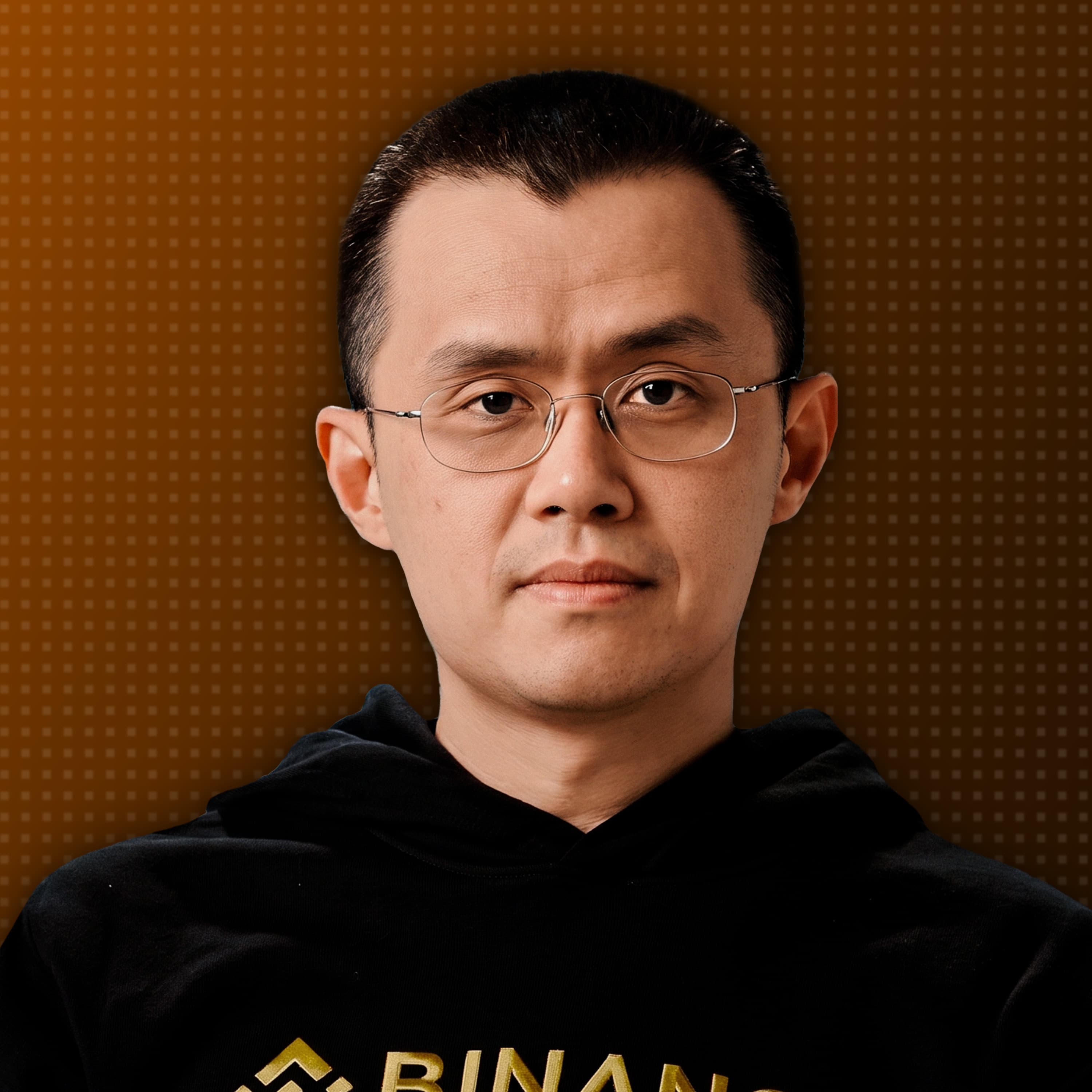
In today's episode, we brought on Changpeng "CZ" Zhao, founder of Binance, live to talk about the $6.3B Binance hack, how he found out about it and what he thinks the industry needs to change. We get into how Binance and the industry responded, what it means for users, how he thinks about North Korean hackers after the exploit and where crypto, AI, businesses and the wider industry go from here. 🌐 3 Key Takeaways ▪︎ CZ says "all the hacks are preventable" and that companies "have a tendency to sort of get complacent over time." ▪︎ He says "we've got to use more AI to defend," since "the only way to fight a monster is to kind of become that monster." ▪︎ CZ says "Binance, the industry as a whole, have not invested enough in security" and "we just got to be very diligent throughout this sort of turbulent time." Timestamps 00:00 Introduction: Changpeng "CZ" Zhao, Founder of Binance 00:44 How CZ Found Out About the Hack 01:31 Containing the Hack and Calming Users 02:42 Why CZ Thinks All Hacks Are Preventable 03:23 Is This Now a National Security Problem? 04:58 Is Crypto Ready for Mainstream Adoption? 06:58 Trump, North Korea and Washington 08:15 How AI Is Changing Crypto Security 09:51 Why CZ Wants a Crypto Security Alliance 10:59 What Comes Next for Crypto and AI 12:58 Is CZ Still Bullish? 13:24 Why the Market Stayed Calm 15:35 Deposits Overtake Withdrawals 18:00 CZ's Advice for the Industry and Retail Users Disclaimer: Binance sponsors Talking Tokens, but this interview was not commissioned by Binance. Note Binance is not available in certain countries, including the U.S. See its Terms: https://www.binance.com/en/terms 🌐 Follow Jacquelyn Melinek https://x.com/jacqmelinek?lang=en https://www.linkedin.com/in/jacquelynmelinek