Palmer Luckey Just Built a Bank for Crypto, AI and Defense | Diogo Mónica
In this episode of Talking Tokens, Jacquelyn Melinek speaks with Diogo Mónica, general partner at Haun Ventures, executive chairman and co-founder of Anchorage Digital, and board member of Erebor. Diogo explains how stablecoins, tokenized equities, and generative finance are evolving and why Haun Ventures invested in Palmer Luckey's Erebor Bank, which received the first national bank charter under the second Trump administration. He walks through why Erebor raised $635 million in committed capital to serve AI, crypto, and defense, how OCC-chartered banks differ from fintech apps that operate through partner banks, and why getting a proper federal charter matters for building trust. The conversation covers the founding team's expertise spanning Oculus, Anduril, Circle, and compliance backgrounds, how Erebor secured its charter in under eight months, and why this marks a shift toward more crypto-friendly banking regulation.
TIMESTAMPS
(00:00) Intro (01:44) Why institutions are here but crypto tokens aren't going up (03:23) Generative finance: turning language directly into financial products with AI (05:31) Why Haun Ventures invested in Erebor, Palmer Luckey's new bank (09:10) How Erebor secured its OCC charter in under eight months (12:22) What an OCC charter means and why it matters for crypto banking (14:08) How Erebor differs from fintechs like Mercury that aren't actual banks (17:43) The future of banking: will new rails beat old incumbents (19:24) Building trust in crypto banking after historical de-banking experiences (21:07) The challenge of opening bank accounts with "crypto" in company names (22:07) Behind Erebor's founding team
ESSENTIALS
You can subscribe to the podcast on Spotify, Apple or YouTube. If you enjoy the show, please leave a review — it really helps. Spotify: https://open.spotify.com/show/0LOgWxIQ0NnNUD5eXsSuoZ Apple Podcasts: https://podcasts.apple.com/us/podcast/talking-tokens/id1743669141 Follow us on X Jacquelyn: https://twitter.com/jacqmelinek Talking Tokens: https://twitter.com/_TalkingTokens Follow us on Instagram https://www.instagram.com/_talkingtokens/
Note: This podcast is for informational purposes only. Views shared are opinions, not financial advice. The host or guests may have financial interests in discussed content.
Palmer Luckey Just Built a Bank for Crypto, AI and Defense | Diogo Mónica
Subscribe & Listen
More from Talking Tokens

Why Grayscale Thinks the Crypto ETF Boom Isn't Over
In today's episode of Talking Tokens, Jacquelyn sits down with Krista Lynch, Managing Director, Head of Trading and Capital Markets at Grayscale, to discuss the evolution of crypto ETFs, the growth of digital asset investing, and Grayscale's plans for tokenization. Drawing on her experience at Goldman Sachs, BlackRock, and Grayscale, Krista shares the behind-the-scenes story of the US spot Bitcoin ETF approval process and explains how the crypto ETF market is expanding beyond Bitcoin and Ethereum. They explore why crypto native investors are moving assets into regulated ETF structures, how Grayscale evaluates new investment products such as Zcash, and how ETF shares can potentially be used as collateral. Krista also discusses the future of tokenized investment funds, the growing demand for 24/7 trading, and why the convergence of traditional finance and crypto could reshape global capital markets. Timestamps 00:42 — From Traditional Finance to Crypto ETFs 02:42 — Grayscale's Battle for Spot Bitcoin ETFs 03:48 — Inside Grayscale's ETF War Room 06:27 — How Crypto ETFs Differ From Traditional ETFs 07:13 — Why Crypto Investors Are Moving Assets Into ETFs 08:25 — Using Bitcoin ETF Shares as Collateral 10:23 — What Makes a Successful Crypto ETF? 11:23 — Bitcoin ETF Demand and Market Growth 12:28 — Zcash and Grayscale's New Crypto Products 13:13 — How Grayscale Selects Assets for ETFs 15:12 — Why Crypto ETF Momentum Could Continue 16:34 — Grayscale's Tokenization Plans 17:57 — Tokenization and 24/7 Trading 20:46 — Staking and Yield in Crypto ETFs 22:26 — How Crypto and Traditional Finance Are Converging 25:59 — Crypto Trading Trends and Market Structure 28:01 — Tokenization and Global Market Access 30:02 — The Future of Tokenized Finance 30:39 — Krista Advice for Investors 🔔 New episodes every week https://open.spotify.com/show/0LOgWxIQ0NnNUD5eXsSuoZ https://podcasts.apple.com/us/podcast/talking-tokens/id1743669141 🌐 Follow Jacquelyn Melinek https://x.com/jacqmelinek?lang=en https://www.linkedin.com/in/jacquelynmelinek ➡️ Follow Krista Lynch https://www.linkedin.com/in/krista-lynch-836a453a This episode is sponsored by Securitize, the proven leader in tokenized funds, equities, and private markets. Discover more at securitize.io #TalkingTokens #Grayscale #CryptoETFs #BitcoinETF #Tokenization

Why Institutions Can't Move Onchain Without Privacy
Public blockchains make transactions transparent, but that transparency can become a major obstacle for institutional adoption. Financial institutions need to protect sensitive transactions, trading positions, and investment strategies without giving up the benefits of blockchain. As more capital moves onchain, privacy is becoming a critical part of the infrastructure needed to support institutional finance. In this edition of Strata Media Research, Jacquelyn Melinek sits down with Alexander Beaudry from the institutional research team to explore why onchain privacy matters and which technologies could help institutions operate privately. Alex breaks down shielded pools like Zcash, Monero, and Railgun, trusted execution environments (TEEs), permissioned networks like Canton, and emerging institutional privacy solutions from Zama. They also discuss how institutions can use DeFi without exposing their strategies to competitors, why fragmented liquidity and interoperability remain major challenges, and Alex's prediction that shielded liquidity could grow at least 5X over the next few years as institutional adoption accelerates. Timestamps 00:00 Why Onchain Privacy Matters for Institutions 01:34 Is Crypto Privacy Just for Criminals? 02:15 Why Institutions Need Onchain Privacy 03:57 How Blockchain Privacy Technologies Work 05:00 Shielded Pools, TEEs, and Permissioned Ledgers 06:25 Which Privacy Architecture Works Best for Institutions? 06:39 Why Permissioned Blockchains Appeal to Institutions 07:20 Private DeFi and Institutional Privacy Solutions 08:42 The Biggest Challenges Facing Onchain Privacy 09:22 The Problem With Privacy Interoperability 09:54 What's Next for Onchain Privacy? 10:11 How Mature Is Blockchain Privacy Technology? 10:40 Why Shielded Liquidity Could Grow 5X 11:39 Making Financial Privacy More Accessible ▫️Check out the report: site: https://stratamedia.co/token-relations/article?slug=why-crypto-should-care-about-privacy X: https://x.com/TokenRelations/status/2117681044564398422?a=DJPqRL3xwQJVqSFI4sQ&s=20 linkedin: https://www.linkedin.com/pulse/why-crypto-should-care-privacy-stratamedia-m5tte ➡️ Follow Talking Tokens https://x.com/_TalkingTokens?lang=en https://open.spotify.com/show/0LOgWxIQ0NnNUD5eXsSuoZ https://podcasts.apple.com/us/podcast/talking-tokens-crypto-onchain-finance-investing/id1743669141 https://talkingtokens.beehiiv.com/ ➡️ Follow Jacquelyn https://x.com/jacqmelinek #Robinhood #StockTokens #Tokenization #MarketStructure #TalkingTokens
CZ's First Interview After The $6.3B Binance Hack & Where We Go From Here
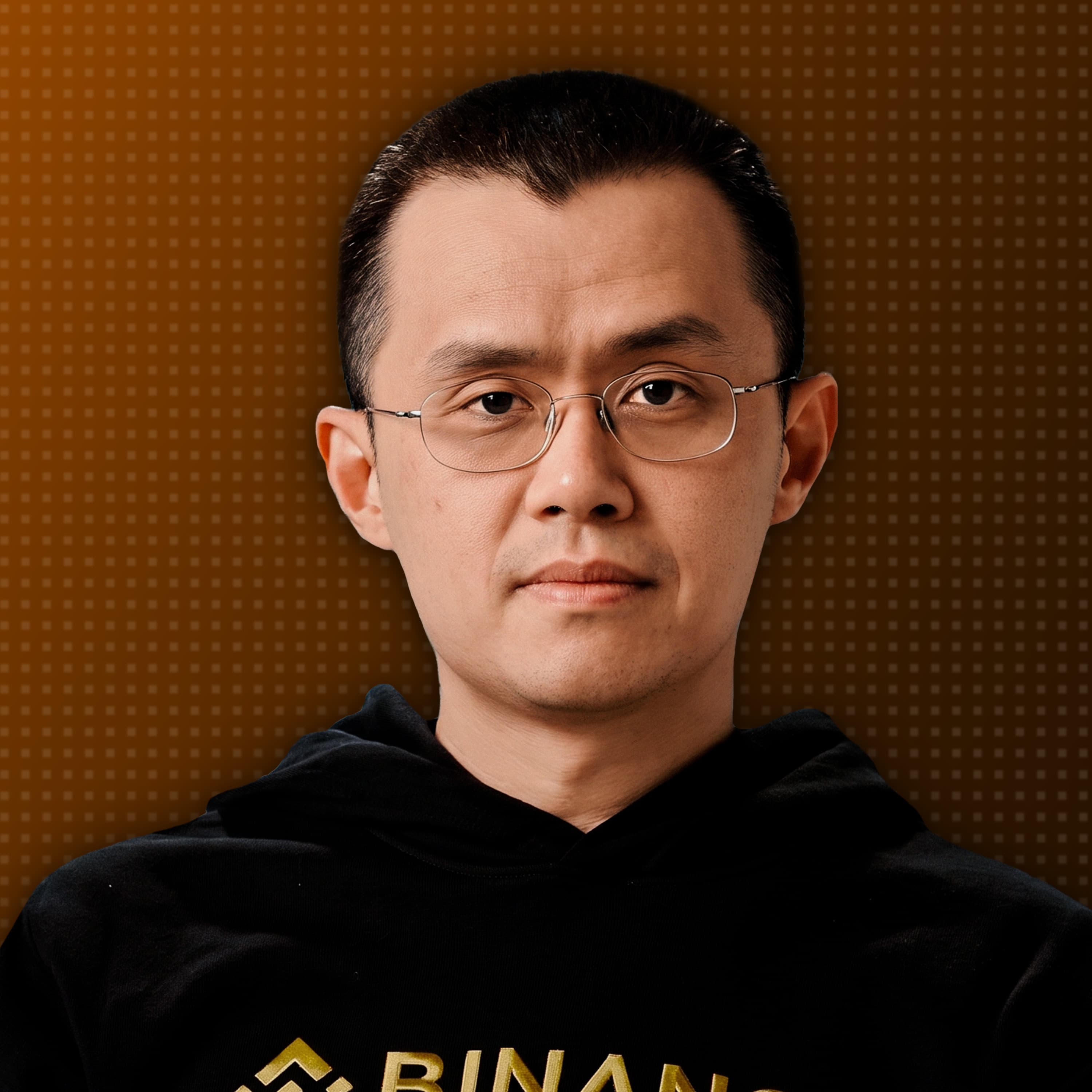
In today's episode, we brought on Changpeng "CZ" Zhao, founder of Binance, live to talk about the $6.3B Binance hack, how he found out about it and what he thinks the industry needs to change. We get into how Binance and the industry responded, what it means for users, how he thinks about North Korean hackers after the exploit and where crypto, AI, businesses and the wider industry go from here. 🌐 3 Key Takeaways ▪︎ CZ says "all the hacks are preventable" and that companies "have a tendency to sort of get complacent over time." ▪︎ He says "we've got to use more AI to defend," since "the only way to fight a monster is to kind of become that monster." ▪︎ CZ says "Binance, the industry as a whole, have not invested enough in security" and "we just got to be very diligent throughout this sort of turbulent time." Timestamps 00:00 Introduction: Changpeng "CZ" Zhao, Founder of Binance 00:44 How CZ Found Out About the Hack 01:31 Containing the Hack and Calming Users 02:42 Why CZ Thinks All Hacks Are Preventable 03:23 Is This Now a National Security Problem? 04:58 Is Crypto Ready for Mainstream Adoption? 06:58 Trump, North Korea and Washington 08:15 How AI Is Changing Crypto Security 09:51 Why CZ Wants a Crypto Security Alliance 10:59 What Comes Next for Crypto and AI 12:58 Is CZ Still Bullish? 13:24 Why the Market Stayed Calm 15:35 Deposits Overtake Withdrawals 18:00 CZ's Advice for the Industry and Retail Users Disclaimer: Binance sponsors Talking Tokens, but this interview was not commissioned by Binance. Note Binance is not available in certain countries, including the U.S. See its Terms: https://www.binance.com/en/terms 🌐 Follow Jacquelyn Melinek https://x.com/jacqmelinek?lang=en https://www.linkedin.com/in/jacquelynmelinek