Kora è un workspace Rust composto da tre crate:
kora-libcontiene la logica principale e il server RPC,kora-clicompila il binariokoraeseguito dagli operatori, ekora-deployè uno strumento specializzato per il deployment dei programmi, con versionamento separato. Tutto quanto segue si trova incrates/lib/src, salvo diversa indicazione.
Il ciclo di vita della richiesta
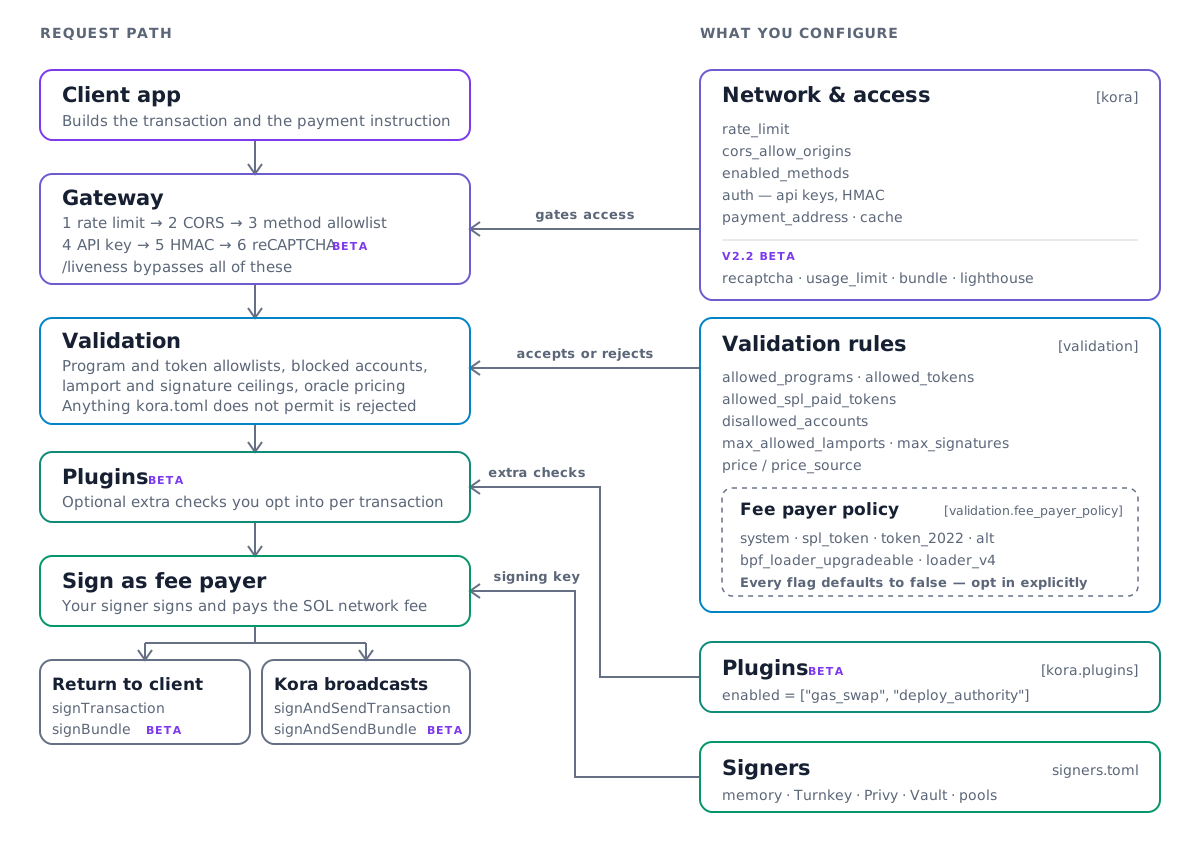
Il diagramma seguente illustra il flusso generale di una transazione attraverso Kora. Comprendere il percorso delle chiamate è importante per configurare un nodo Kora e aggiungere nuove funzionalità.
Dove risiede ciascuna fase
| Fase nel diagramma | Sorgente | Punto di ingresso |
|---|---|---|
| Gateway | rpc_server/server.rs | run_rpc_server |
| Dispatch | rpc_server/rpc.rs | KoraRpc |
| Logica per singolo metodo | rpc_server/method/ | un file per ogni metodo JSON-RPC |
| Validazione | validator/transaction_validator.rs | TransactionValidator |
| Plugin | plugin/mod.rs | TransactionPluginRunner |
| Firma | signer/ | basato sul crate solana-keychain |
Altri due file da conoscere: config.rs definisce l'intero schema di kora.toml, e
state.rs contiene la configurazione deserializzata nello stato globale del processo.
Leggere il server RPC
rpc.rs è un sottile livello di dispatch, con un metodo per ogni endpoint JSON-RPC, e
il modo più rapido per vedere l'intera API. La logica di ciascun metodo si trova nel proprio file in
rpc_server/method/. Leggi sign_transaction.rs dall'inizio alla fine; gli altri metodi
di firma ne sono variazioni.
Leggere il modulo di validazione
transaction_validator.rs e transaction/instruction_util.rs contengono la logica per
validare transazioni e istruzioni. Inoltre, i test delle proprietà di sicurezza della fee-payer-policy,
che risiedono in un file per ogni programma soggetto a controllo in
validator/transaction_validator/fee_payer_policy_props/.
Convenzioni da conoscere
Validazione predefinita. Ogni flag sotto [validation.fee_payer_policy]
ha come valore predefinito false, e le struct della policy riportano #[serde(default)]. Questo
abbinamento è voluto: l'aggiunta di una nuova istruzione soggetta a controllo non deve compromettere la
configurazione di un operatore esistente, e deve tradursi in un divieto anziché in
un'autorizzazione accidentale. Mantieni entrambe le condizioni quando aggiungi un flag.
Valida la transazione risolta, mai quella grezza. La
VersionedTransaction grezza espone solo le chiavi di account statiche, quindi validare o
calcolare il costo di una transazione V0 a partire da essa ignora silenziosamente gli account delle lookup table e
addebita meno del dovuto. VersionedTransactionResolved::from_transaction risolve questi
indirizzi in anticipo, ed è per questo che ogni fase a valle accetta il tipo risolto.
Aggiungere un plugin per le transazioni
I plugin implementano il trait TransactionPlugin in plugin/mod.rs. Ha due
metodi: validate viene eseguito per ogni transazione durante i flussi di firma, e
validate_config viene eseguito una sola volta all'avvio e restituisce errori e avvisi per
l'operatore. Un PluginExecutionContext indica al plugin quale dei quattro metodi di firma
l'ha invocato.
TransactionPluginRunner::from_config esegue il match su TransactionPluginType,
definito in config.rs. Un nuovo plugin integrato consiste in una nuova variante in quel punto più un nuovo
ramo del match nel runner. I due plugin attualmente forniti sono gas_swap e
deploy_authority.
Test
Kora mantiene la configurazione in uno stato globale del processo, quindi tests/ dichiara un
target [[test]] per ciascuna fase, e ogni target avvia il proprio surfnet incorporato più un
nodo Kora, inizializzati da zero. Una configurazione per binario: una nuova fase richiede un nuovo
target, non un nuovo modulo in uno esistente.
cargo test -p tests --test <target>
Tutto il resto è collegato tramite il justfile. Leggilo anziché
ricostruire i comandi a mano.
Is this page helpful?